Early 1900s
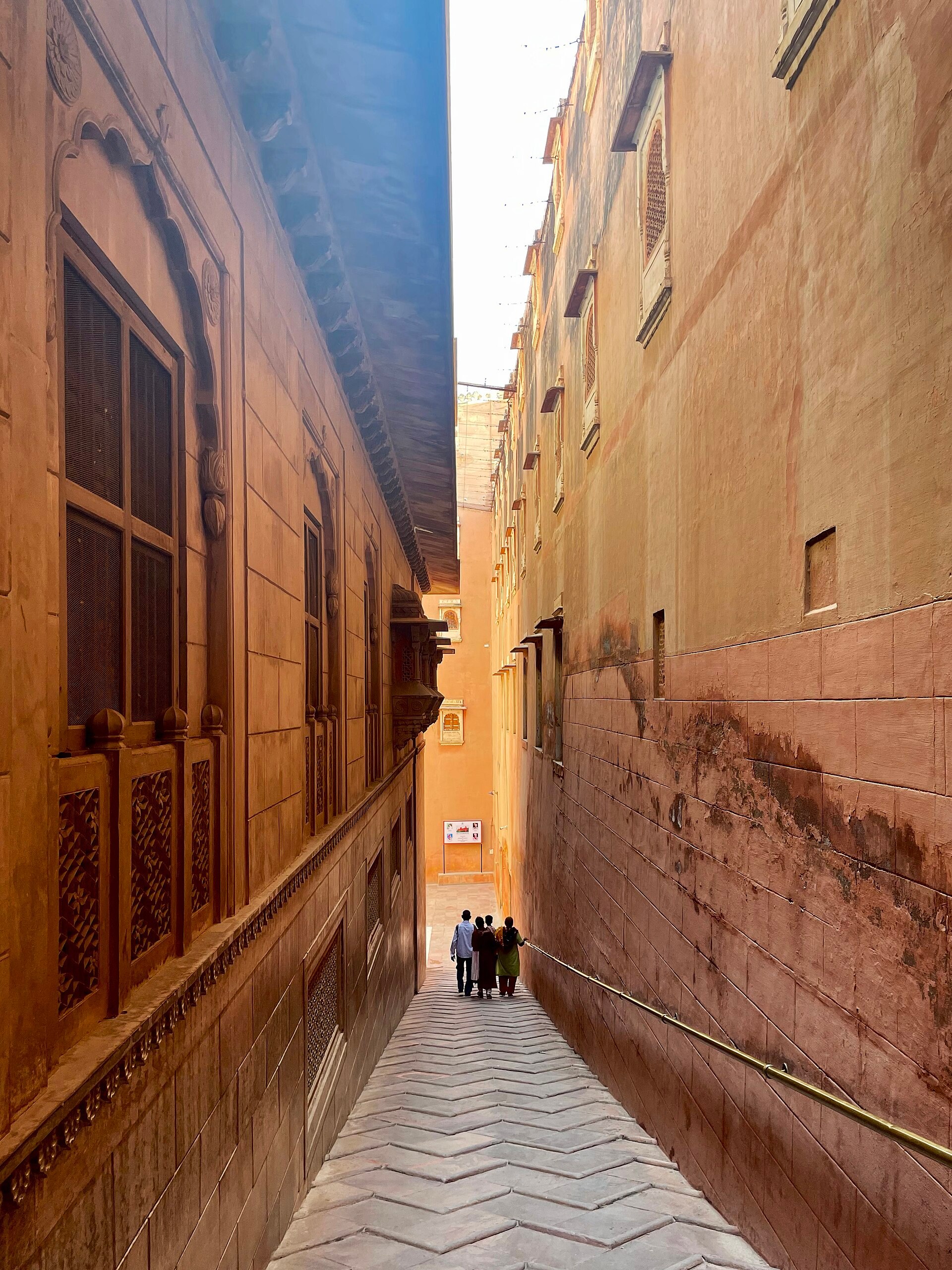
The Royal Commission
Built in warm red sandstone during Bikaner's golden era of palace architecture, when Sir Samuel Swinton Jacob's Indo-Saracenic style defined the skyline of the royal city.
 Laxmi Niwas Palace
N°02 — Our Story
The story of a royal guesthouse that never stopped being a family home.
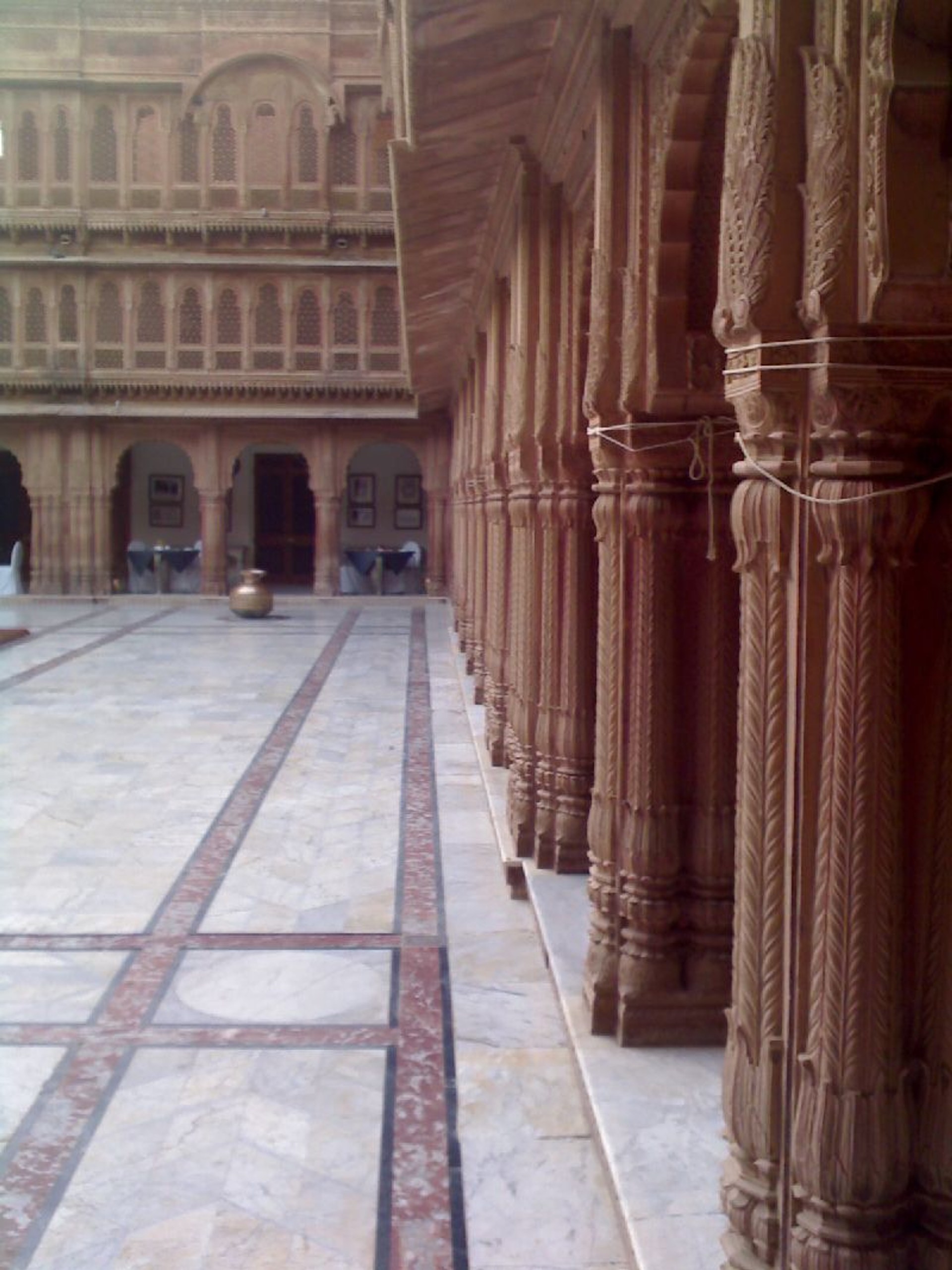
Laxmi Niwas Palace was raised as a royal guesthouse for the ruling family of Bikaner — commissioned in the Indo-Saracenic style that once defined the great palaces of Rajasthan, carved entirely from the region's signature red sandstone. It was never designed to be a hotel. That distinction still shapes every room you enter today.
Built in warm red sandstone during Bikaner's golden era of palace architecture, when Sir Samuel Swinton Jacob's Indo-Saracenic style defined the skyline of the royal city.
As Bikaner modernised, the palace's courtyards hosted state visits and celebrations, its jharokhas witnessing decades of the city's civic and cultural life.
The palace was gently restored and opened to travellers for the first time — its original carvings, courtyards and durbar halls kept intact rather than replaced.
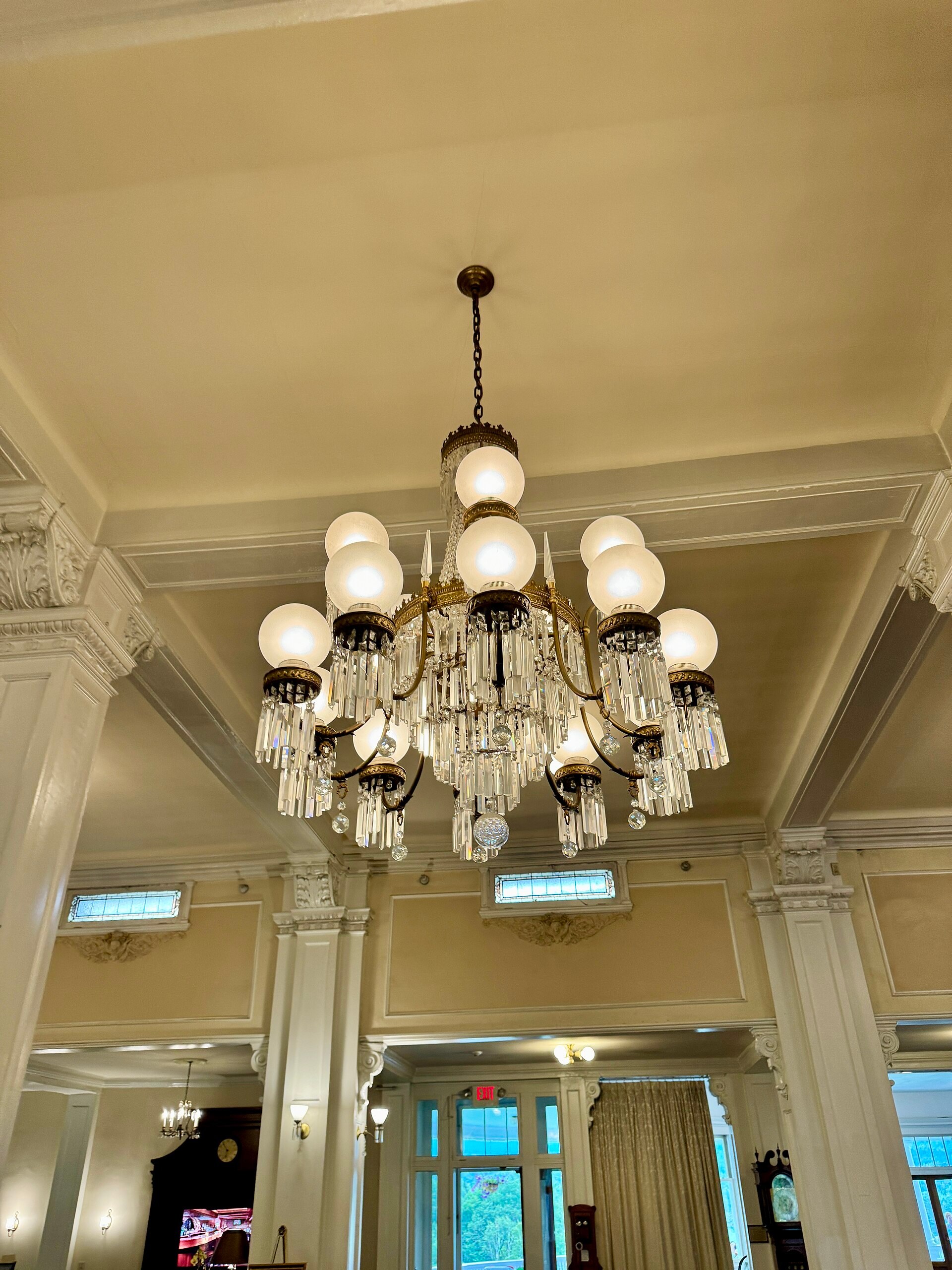
Now an intimate heritage hotel, Laxmi Niwas Palace continues to be looked after as a family home first, and a hotel second.
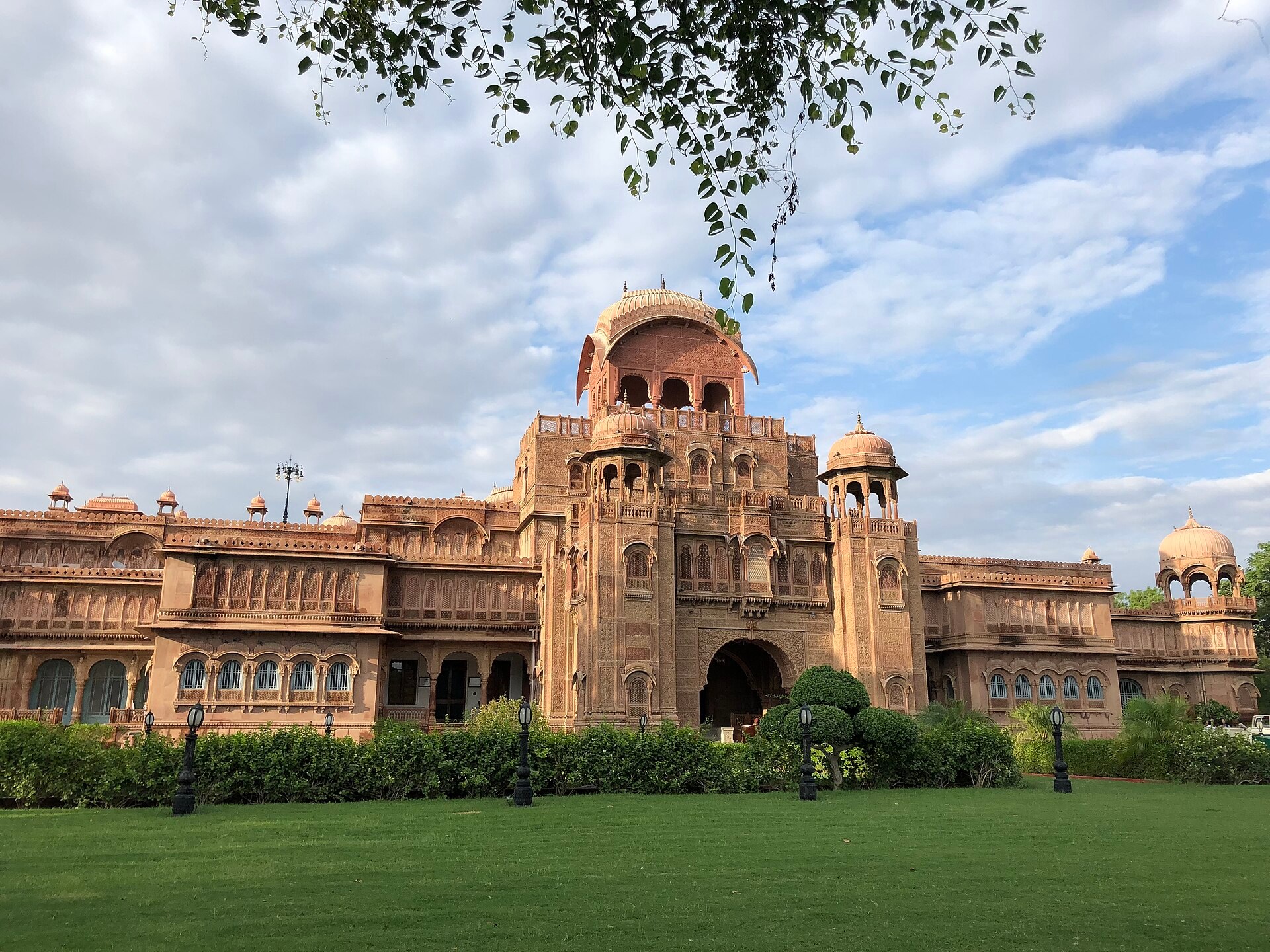
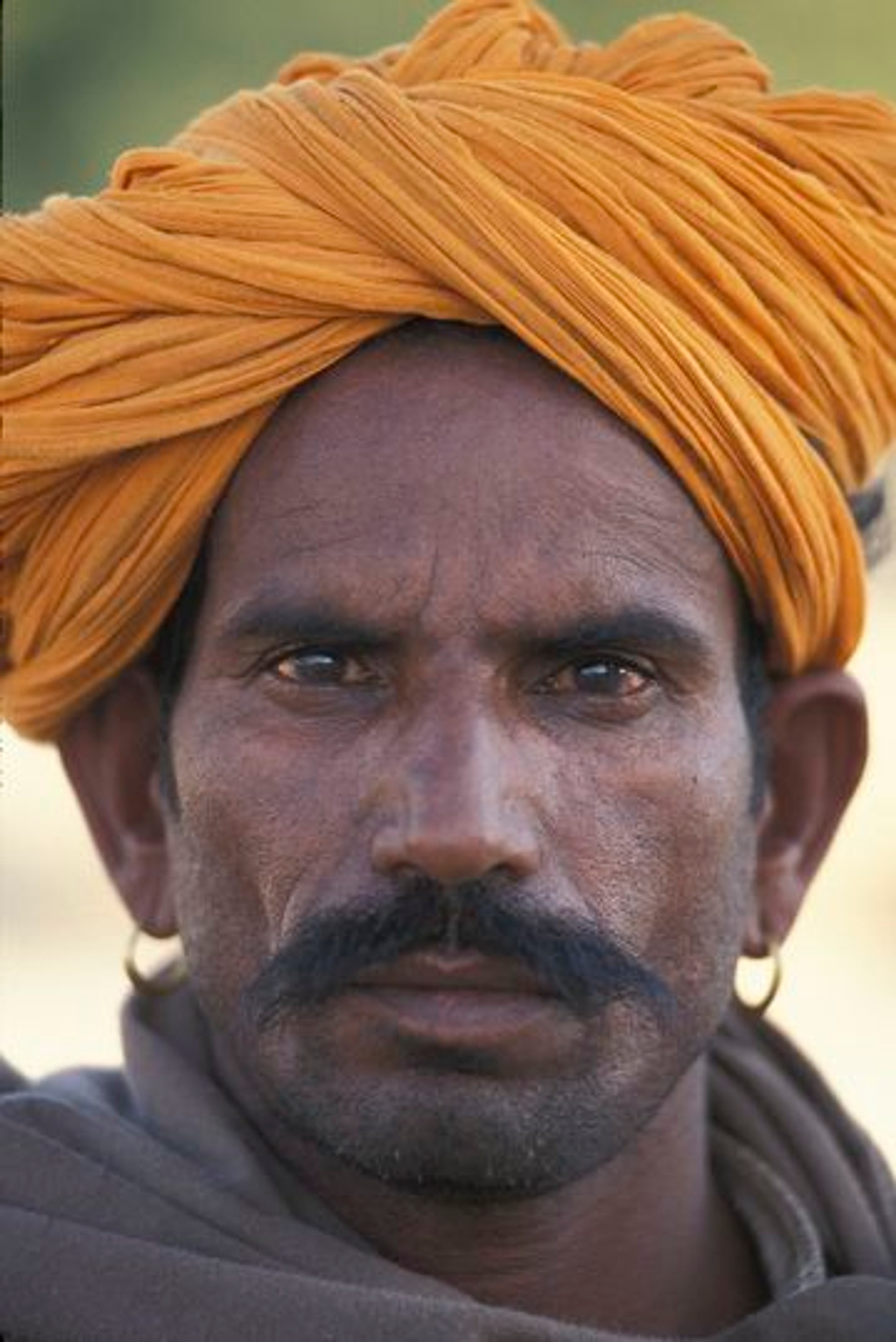
Every jharokha, jaali screen and dome was shaped by hand by artisans whose families had carved stone for the Bikaner court for generations. Restoration still follows the same methods — lime plaster, natural pigment, hand-chiselled sandstone.
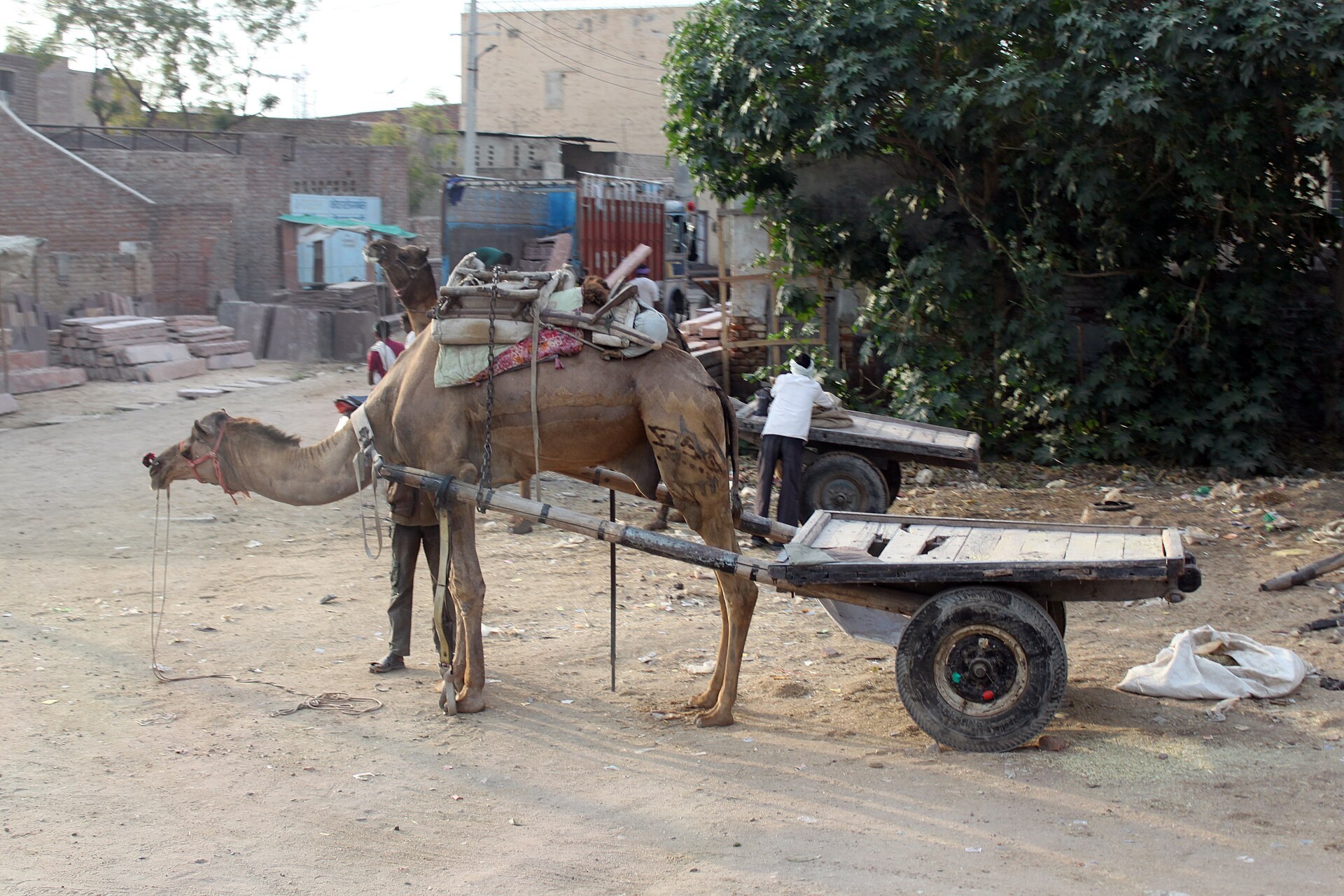
06 — A Desert Kingdom
Founded in 1488 by Rao Bika, Bikaner grew into one of Rajasthan's great desert kingdoms. Camels still work its streets today, much as they have for centuries.